

Okay, so check this out—I’ve been juggling wallets for years. Wow! Managing keys across networks gets messy fast. I used to have four extensions open at once, tabs everywhere, and that felt wrong. My instinct said there had to be a cleaner way. Initially I thought more features meant more risk, but then I watched Rabby handle cross-chain interactions without throwing me off my game.
Seriously? Yes. Rabby is that rare extension that balances power and clarity. It doesn’t scream at you with settings. It offers sensible defaults, and for power users it exposes the controls you actually want. On the one hand, some wallets pile in flashy UI and then hide crucial security options behind menus. On the other hand, Rabby makes risk explicit—gas previews, transaction simulations, and clear chain contexts—so you can pause before you commit. My first impressions were cautious. Then, after real use, I felt a lot more confident.
Hmm… something felt off about my previous workflow. Transactions would fail. I’d be unsure which chain I was on. That anxiety is subtle, but it adds friction. Rabby removes a chunk of that friction by surfacing the right little details at the right time. I liked the way it separates accounts by purpose (cold storage vs day trading), and that distinction matters when you misclick. I’m biased, but this part bugs me when other wallets ignore it.
Here’s the thing. Using a multi-chain wallet isn’t just about supporting many networks. It’s about making cross-chain activity understandable. Rabby integrates chain info, token metadata, and approval management so you don’t accidentally grant unlimited allowances on a chain you barely use. Actually, wait—let me rephrase that: it helps you see permissions clearly, and that sightline is everything when you’re deep in DeFi.
Practical story. I once nearly approved a contract that wanted permission to drain a token on a testnet I’d forgotten about. Whoa! Luckily the wallet’s approval UI and warning triggered my pause. That pause saved me. Maybe that’s anecdotal, but little safeties like that scale—especially when you’re moving large balances or using new DApps.
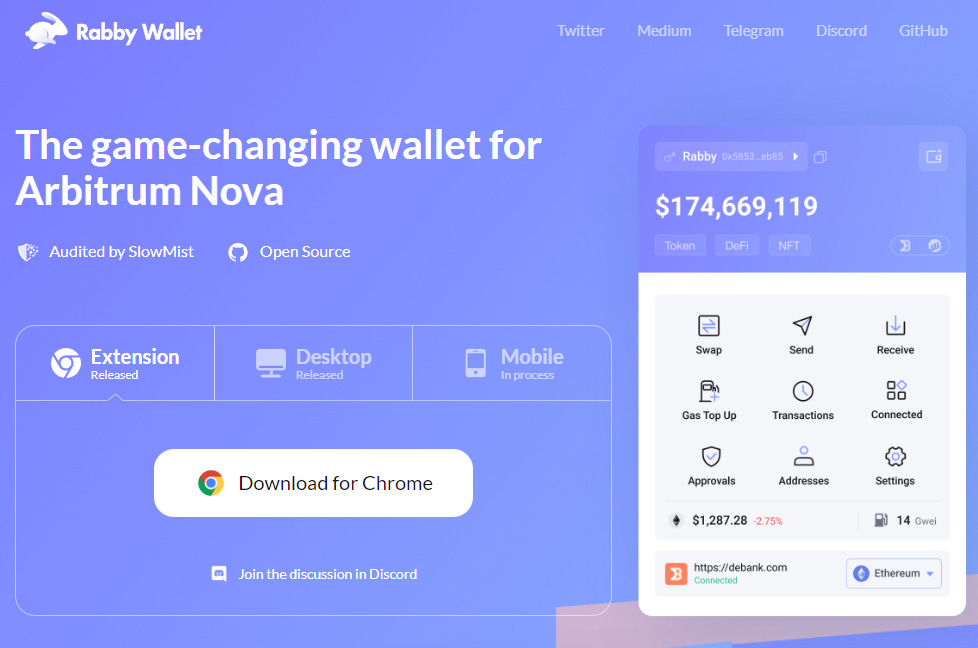
How Rabby Handles Multi‑Chain Complexity
Rabby treats each chain as a first-class citizen. Short sentence. It shows chain name and icon prominently, which prevents accidental cross-chain mistakes. The wallet handles custom RPCs gracefully, and adding networks is straightforward without being reckless about default gas settings, which is very very important. On networks with different fee mechanics, Rabby gives you explicit control over gas parameters, and that matters when speed or cost matters more than convenience.
My instinct told me that gas controls would be buried. They weren’t. Initially I thought the UI would be too technical, but then realized the team trimmed noise and kept functionality. On one hand, this reduces cognitive load during swaps; though actually this also means pro users can still fine-tune when necessary. Something else—extension performance. Rabby stays light. It doesn’t hog RAM like some of the alternatives, which is a small win that compounds across a day’s worth of browsing.
Security-wise, Rabby leans into familiar patterns—seed phrases, hardware wallet integrations, and local key storage—while adding pragmatic features like transaction simulations and granular approvals. Those simulations aren’t infallible (I’m not 100% sure any on-chain simulator will catch everything), but they give you context. They surface potential failed calls and estimated token outputs before you sign, which reduces surprise failures and wasted gas. This is particularly helpful when bridging tokens or interacting with newly-deployed contracts.
There’s a real UX win in how Rabby surfaces token approvals. Instead of one list that you ignore, it groups allowances by contract and highlights the risky ones. I found myself cleaning up stale approvals that I didn’t even remember granting. (oh, and by the way…) That cleanup habit cut my attack surface by a noticeable amount. Small actions, big compound benefit.
Integrations and Developer Friendliness
For people building on top of chains, Rabby behaves like a respectful neighbor. It implements standard provider APIs and plays well with popular DApps. The extension exposes useful debugging info and logs when you’re testing contracts locally, which helps when things are flaky. I’m not a full-time dev, but I tinker—so those features mattered to me.
Also—Rabby supports hardware wallets out of the box. Good. Connecting a Ledger felt simple and reliable, and transactions remain signed on-device which is the whole point of cold-key security. That separation of signing and UI is essential for maintaining opsec while still enjoying DeFi interactivity.
One caveat: no wallet is bulletproof. I still use separate accounts for different threat models. Keep primary funds off your day-to-day wallet when possible. This layering approach is plain common sense, and Rabby makes it manageable.
Common questions
Is Rabby safe to use as a browser extension?
Short answer: yes, with caveats. Rabby follows standard security practices—seed phrase protection, hardware wallet support, and local key storage. However, browser extensions inherently increase exposure to web-based risks, so combine Rabby with good habits: limit exposure, use hardware signing for large transfers, and routinely audit approvals. My gut said treat extensions like tools, not vaults.
Does it support many chains?
Yes. Rabby is built as a multi-chain wallet that supports major EVM compatible networks and lets you add custom RPCs. It aims to make cross-chain work less confusing by showing chain context, token metadata, and per-chain approvals. Initially I worried about complexity, but the design keeps things digestible.
Where can I get it?
If you want to try it, start at this official source: rabby wallet. Be careful to download from the official channel and double-check permissions on install. Seriously, double-check.
Okay, final thought—or rather a pause. Using Rabby didn’t solve every friction I had with DeFi, but it cut a bunch of accidental headaches. My approach now is layered: small hot wallet for daily DApp use, cold storage for long-term holdings, and a browser wallet like Rabby to bridge the two responsibly. I’m biased toward tools that respect user attention, and Rabby does that. There’s still work to do across the ecosystem, and some edge cases remain frustrating, but this extension makes moving between chains feel less like juggling flaming torches.